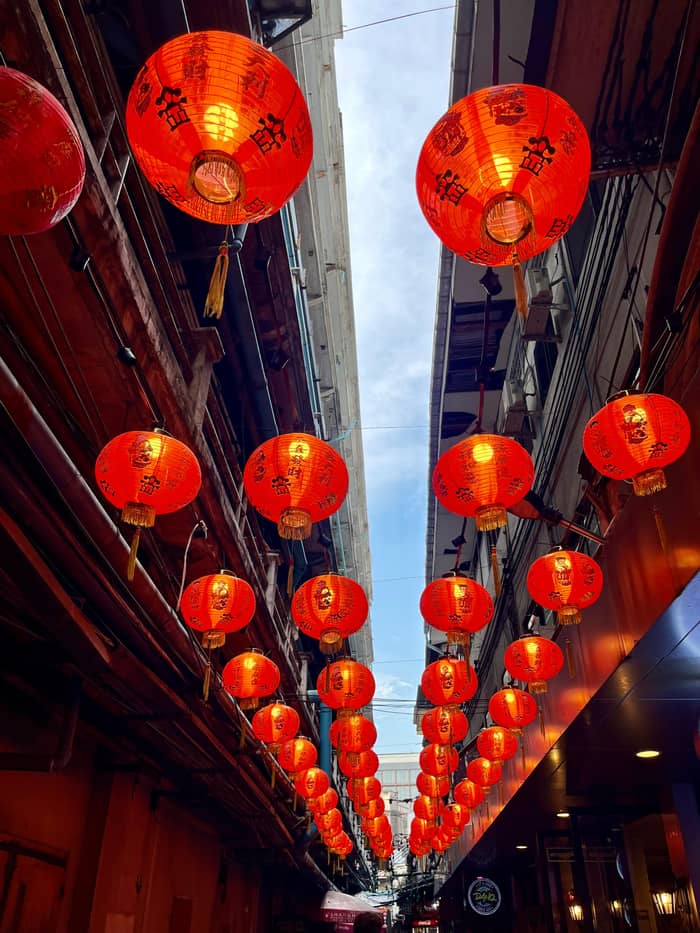
Site tour
Backstreets tour
15+ tastings on foot
- Length4 hours
- GroupUp to 8
- DietNot for strict vegetarians
- From$62
Guides
Language
Currency
See open slotsstarting at $62 · free cancellationSpot your stop
View 13 stops
Choose a route and tap a pin or stop to see its note and open it in Google Maps.
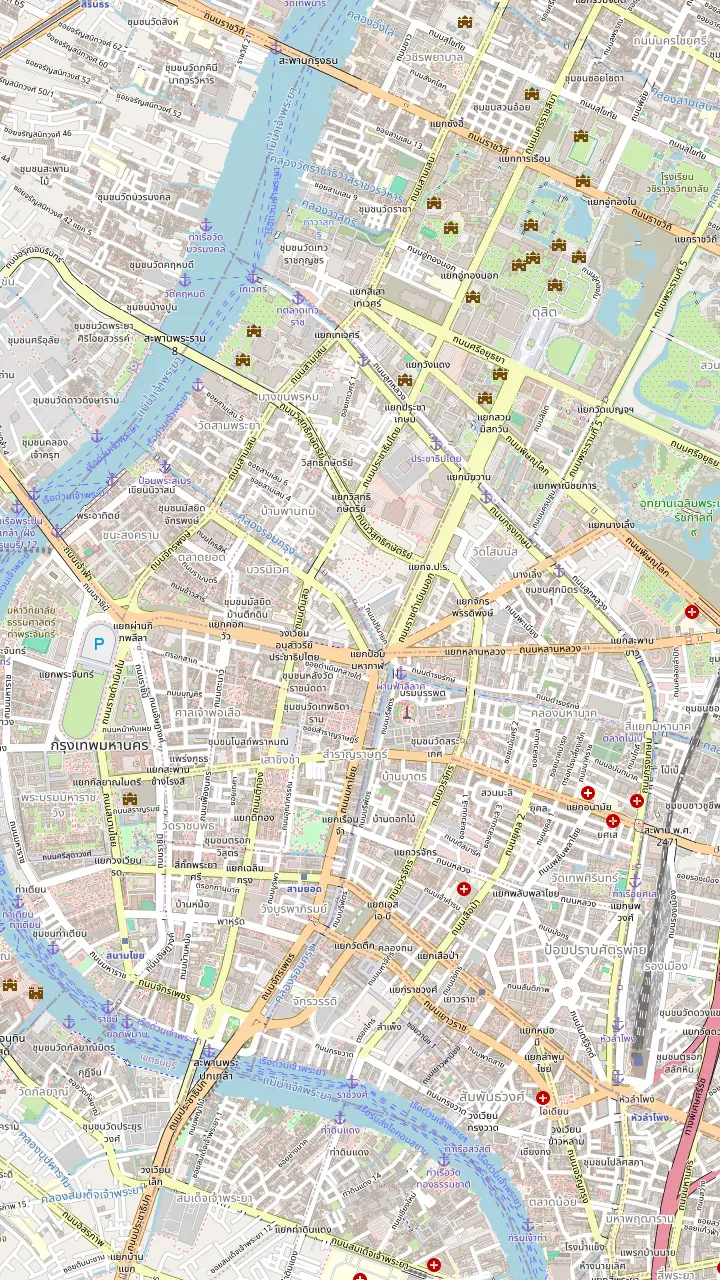
K. Panich on Tanao Road, the mango sticky rice stall in the MICHELIN Guide's street food list.
Google MapsJay Fai on Maha Chai Road, where the Guide says to expect a queue and to bring cash.
Google MapsMae Prapha Crispy Pancake on Phra Sumen Road, a short walk from Khao San Road.
Google MapsKhao San Road, which TAT said would not be touched by the Bangkok vendor rules but would get closer hygiene attention.
Google MapsNang Loeng Market, where a tour record places the end of its Old Siam route.
Google Maps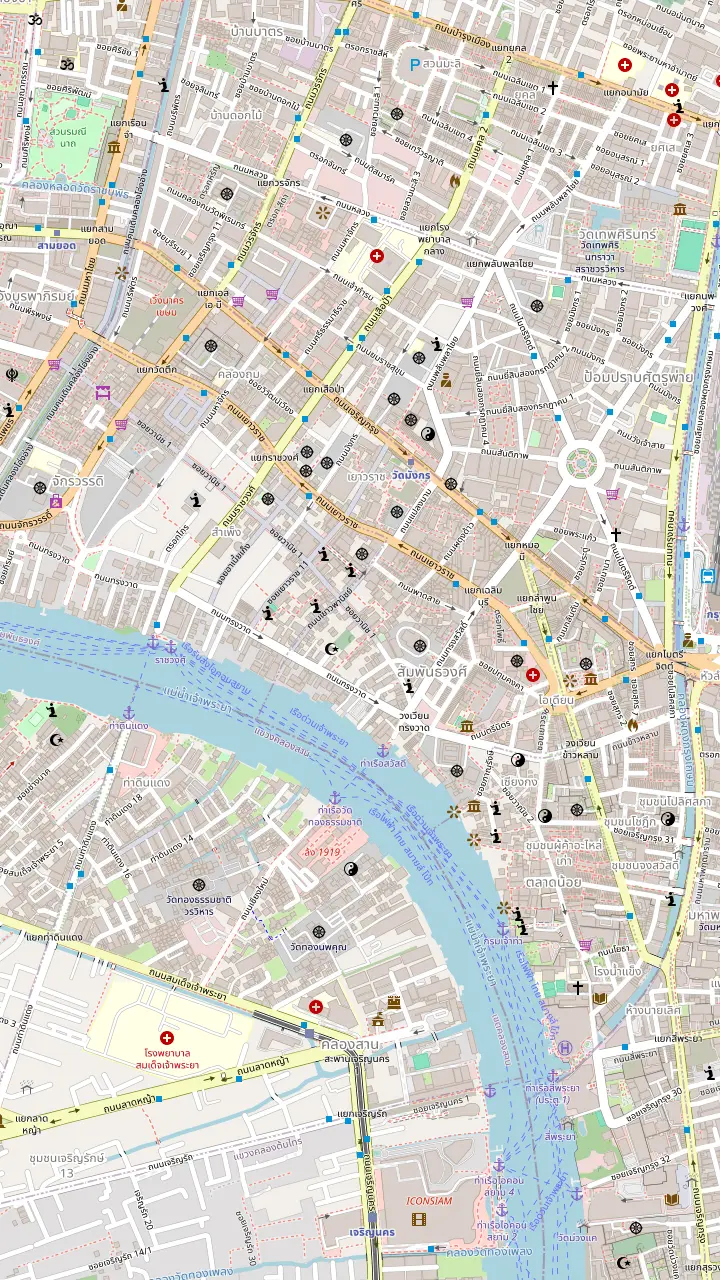
Yaowarat Road, which TAT calls Chinatown's high street, with dim sum, noodles and omelettes on offer in the evening.
Google MapsOdeon Circle, the western start of the 2025 Vegetarian Festival stretch on Yaowarat Road in TAT's list.
Google MapsWat Mangkon Kamalawat, the Chinese Buddhist temple that gives its name to the MRT station on Charoen Krung Road.
Google MapsShanghai Mansion, the start and end point named in the record of the site's own tour.
Google MapsTha Ratchawong Pier, one of four Chao Phraya piers in a TAT Contact Centre street food guide.
Google MapsTalat Noi, the riverside area beside Yaowarat that TAT describes as once home to Chinese traders and workers.
Google Maps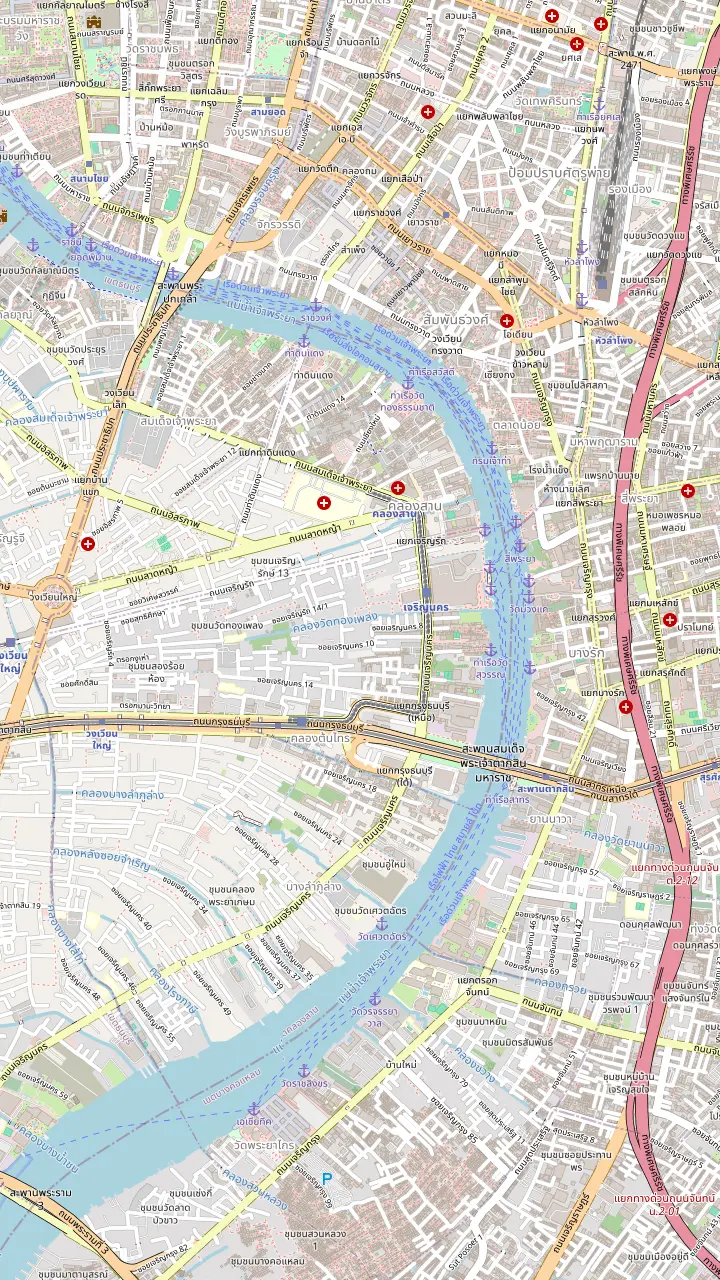
Somsak Pu Ob on Soi Charoen Rat 1 in Khlong San, famed for steamed crabs and prawns on glass noodles.
Google MapsCharoen Saeng Silom on Soi Charoen Krung 49, the stewed pork stall the Guide dates to a 1959 recipe.
Google MapsMap data: © OpenStreetMap contributors
What the tourism authority advises, how to read a stall, where the street food streets are on a map, and how to order and pay with confidence.
Editorial team, bangkokfoodtour.click · Updated November 16, 2026 · Reading: 8 min
In brief
Visitors ask whether it is safe to eat street food in Bangkok before almost anything else, and the honest answer is that most people eat it without trouble if they pick stalls with care. TAT's own advice is practical and short. It tells visitors to eat where local Thai customers queue, since regulars know which stalls are safest.1 Locals are the best filter you have, because a stall with no regulars and a heap of food sitting out is a stall to walk past.
TAT also explains why a busy stall is safer: high volume and turnover mean perishable items are not left sitting around to go off or attract flies.2 The same advice says that street vendors will typically take your order and cook it in front of you, so avoid anything that does not look freshly prepared.4 Raw dishes are the one category the authority tells visitors to stay away from, naming raw seafood and shellfish.3
The authority's wording also sets the limits of the claim. It gives guidelines that help mitigate risks, not a promise that every stall is clean, and it does not say street food is unsafe. Common sense carries most of the weight: look, smell, watch the cook, and trust the signs of a stall that does a high-volume trade. If you have a medical condition, a pregnancy or a weak stomach, talk to a doctor before the trip, since this page offers tourism guidance, not medical advice.
Stall signals
| Signal | What it tells you | Source |
|---|---|---|
| Local customers | The stall is trusted by people who eat there often | TAT advice1 |
| Busy turnover | Perishable food is not left to go off | TAT advice2 |
| Cooked to order | The food is fresh and made in front of you | TAT advice4 |
| No raw seafood | The risk is lowest with cooked dishes | TAT advice3 |
| Wiped plates | A tissue clears the table ware | TAT advice9 |
The signals are TAT's published guidance for visitors, not a certification of any stall.1
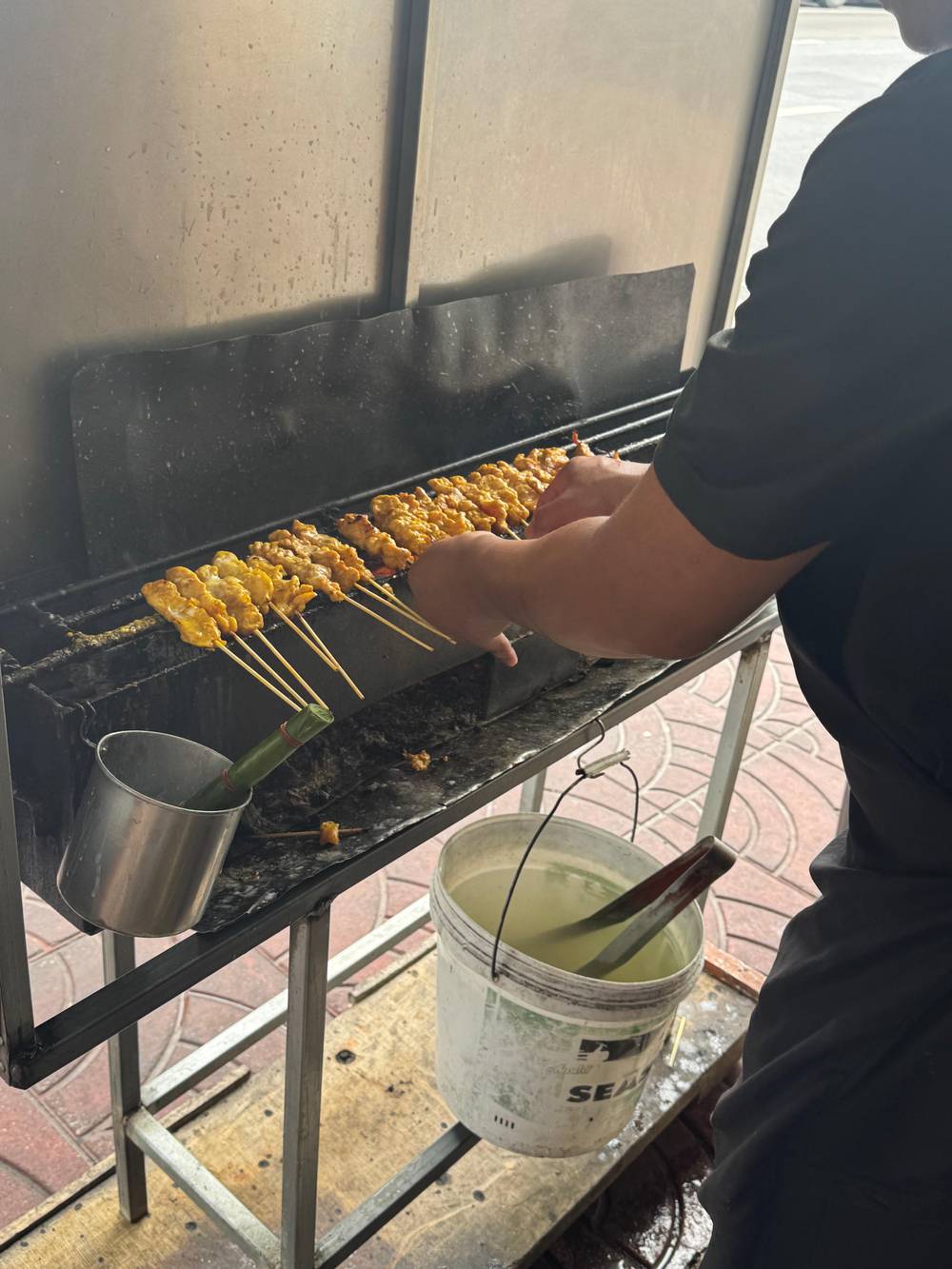
Treat a stall like a short interview. The first signal is the crowd: TAT points to the presence of local Thai customers as a marker of a stall that knows its trade.1 The second is the fire: a wok or grill in constant use keeps food hot and moving. The third is the cooking itself, because TAT notes that the vendor cooks your order in front of you.4 If the dish is made in front of you and eaten within minutes, it has had little time to go wrong.
The fourth signal is the table. TAT says it does no harm to wipe plates and utensils with a tissue before eating, as most locals do.9 Carry a pack of tissues and use them without embarrassment. The fifth is the dish itself: cooked, hot and fresh beats cold, raw or reheated. A bowl of soup lifted straight from a pot and eaten at once fits that rule far better than a dish that has been waiting on the counter.
Beyond the stall, TAT adds a stomach warning that is not about hygiene at all. Tamarind, fresh coconut, ginger and turmeric, common in Thai dishes, work as natural laxatives,12 and highly spiced dishes can cause real discomfort for milder palates.6 Visitors often blame the street for an upset that was really chilli, so ease in: start with milder dishes on the first night and add heat as you adapt.
A first night
Arrive early
TAT advises visiting in the evening when the scene is vibrant.8
Watch first
Look for local customers and a cook working the wok in front of you.1,4
Order mild
TAT advises a less spicy version to begin with.6
Wipe and eat
Give plates and utensils a quick wipe, as locals do.9
Finish sweet
Mango sticky rice and pancakes are on the Guide's list.10,11
Street food in Bangkok is a regulated trade, not a free-for-all. TAT reported in 2017 that Bangkok had no outright ban on selling street food, although the city's administration was enforcing controls on vendors.5 In the busiest areas vendors were required to move to designated zones and nearby markets,15 while Yaowarat and Khao San Roads, TAT said, would not be affected but would get special attention to hygiene standards.16
The administration also told TAT what it intended to do about quality. It planned to require food safety training and a test before vendors are licensed,17 and to enforce rules on waste management and on cleaning the bowls and utensils customers use.18 Those were intentions reported at that date and pending government approval, so treat them as context rather than as a current inspection result.
A national scheme tells the same story from the Ministry of Public Health. TAT reports that the ministry has run the Clean Food Good Taste project since 1999, with criteria for vendors that include no foam food containers, serving spoons, clean restrooms and wash basins.19,20 TAT's 2015 figures counted 125,987 awarded restaurants and food vendors across the country except Bangkok,21 so those figures say nothing about how Bangkok's own stalls fare. The stall signals above remain your best tool.
Pick your approach
Say how confident you feel and a way to begin is suggested, with its source.
If I want someone to choose the stalls
A guided tasting tour
The site's tour lists 15+ tastings with a maximum of 8 guests.
If I want to eat alone tonight
Go to Yaowarat in the evening
TAT points evening visitors there for street-side dim sum and noodles.13
If I am worried about my stomach
Order mild and cooked
If I want a famous stall
Jay Fai, on a weekday
The Guide shows its opening days as Wednesday to Saturday.14
If I have a severe allergy
Ask the operator first
The site tour says it is unsuitable for severe allergies.
A guide helps
Site tour
15+ tastings on foot
Old Siam
River boat and tuk-tuk
Walk
Chinatown, 3 hours
The map above plots 3 views of the city's street food. The first covers the old town, with K. Panich on Tanao Road, Jay Fai on Maha Chai Road, Mae Prapha near Khao San Road and Nang Loeng Market, where our Old Siam tour ends.22,23,25 The second covers Chinatown, where In TAT's words Yaowarat Road is Chinatown's high street, busy with evening street-side food.13 The third reaches south of the river to Soi Charoen Rat 1 and Soi Charoen Krung 49.31,33
Official guides add more places. A TAT Contact Centre guide to street food around 4 Chao Phraya piers names Tha Sathon, Tha Din Daeng, Tha Ratchawong as well as Tha Wat Worachanyawas.29 A Street Food Bangkok app from 2015, reported by TAT, covered 121 vendors and stalls and 25 menus,36 though an app of that age needs checking against the stall's own hours. The MICHELIN Guide's street food list gives a current shortlist of 8.37
For where to start as a first-timer, Yaowarat is the natural answer. TAT's advice is to come in the evening,8 and the Wat Mangkon MRT Station lies in the heart of Chinatown on Charoen Krung Road.27 Walk the main road first to see what is cooking, then turn into a side lane when a queue appears. Choose a stall with your eyes and your nose, and take photos only after you have paid and eaten, since a stall holder is far happier to be photographed by a customer than by a passer-by.
Price a guided night
Say how many are going and each tour's cost to start comes up.
Compare 4 side by side
Say how many are going and each tour's cost to start comes up.
≈
View≈
View≈
View≈
ViewCurrency conversion uses the ECB reference rate on GetYourGuide from-prices. The exact price is displayed when you book.
Ordering is easier than it looks. Point at the dish, hold up fingers for the number of plates, and let the vendor cook while you watch. If the stall has a menu with photos, ordering is just a matter of pointing. Say how spicy you want it: TAT suggests that even spice lovers begin with a milder version,6 and adds that fiery dishes usually arrive with plain rice and mild side dishes that cool the palate.38
Pay in cash and keep the notes small, because the Guide's list shows all 8 street food entries as cash-only counters,7 and TAT relays the same advice for night markets.39 Do not hand over a large note for a single bowl. Keep your phone and wallet in a front pocket in busy markets, since TAT's night market advice includes watching your belongings.40 Share dishes across the table so each person tastes more for the same cash.
For allergies and diets, say so before the wok is lit. The sentence needs to be clear: name the ingredient, say the dish must not contain it, and point at the cook rather than the plate. Fish sauce, shrimp paste, dried shrimp and peanuts turn up in many dishes, and TAT names dried shrimp and fish sauce in its som tam ingredients.41 A street cook can adapt some dishes but cannot promise a clean line, so severe allergies call for caution or a sit-down restaurant.
Video
Dreaming of Adventure on YouTube · Video data is requested only when you tap play.
patronise food stalls that are busy with a lot of local Thai customers who are in the know about the safest places to eat
Pocket list
The heat shapes how you eat as much as the stall does. The weather station behind this site's figures is Bangkok Metropolis, 6.2 km from the centre, and it records an April mean daily high of 35.8 °C.42,35 In that heat drink water often, take shade between stalls and avoid eating a large meal right before a long walk. Buy bottled water from sealed bottles and leave the first night's schedule loose, so you can sit down when you need to.
The wet months bring their own routine. In September the station records 351 mm of precipitation over 16 wet days,35 so carry a small umbrella, keep your cash in a bag, and expect some stalls to shelter under awnings. Plastic bags protect your phone and your notes. A heavy shower can empty the street for a while and fill it again soon after, which is a fine time to sit under an awning, drink some water and watch how the stalls cope with the weather.
A simple first-night routine works for most travelers. Arrive at Yaowarat in the early evening, eat a noodle dish first, share a grilled plate, then try a dessert, and finish before you are tired. Skip raw dishes, wipe the plate, and stop when anything looks unfresh.3,9 The next day, pick the stall that served you best and return for a second plate, with your own sense of what you like.
A tasting tour handles most of the points above for you. The site's Backstreets tour takes up to 8 guests through 8-9 stops and 15+ tastings in 4 hours, from $62. The guide chooses the stalls, orders for the group and keeps the pace, so you learn by watching: which stalls draw a queue, how the order is placed, what the vendor does with the cash. Our own record also covers dietary rules, which saves you from guessing at the stall.
That record is honest about limits. It warns against the tour for severe allergies, since traces and cross-contamination cannot be ruled out, and says strict vegetarians and vegans should pick another tour. If you have a medical need, read the record and ask the operator before you pay, and choose a tour whose rules match your diet. The Old Siam tour, with a river boat and a tuk-tuk between stops, lists similar dietary rules.
After one guided night you can eat alone with confidence on the second. You will know how to read a queue, how to ask for less spice and how to pay in cash. Cancelling a day before the start costs nothing, which lets you plan your first evening and adjust. Book it for your first or second night, and spend the later evenings on the Guide's stalls and on the streets you liked best.
FAQ
TAT notes that locals often wipe plates with a tissue first.9
TAT lists tamarind and ginger among the natural laxatives in Thai cooking.12
TAT advises visiting when the street food scene is vibrant.8
All 8 of its street food entries want cash.7
The site's tour has a maximum of 8 guests and lists its dietary limits.
Sources
Hungry in Bangkok? Ask a real person here.